Florida travel
Cicadas of Boca Raton
The buzzing soundtrack of South Florida's beaches: what the cicadas in Boca Raton's dune scrub are, why they sing every summer, and what those pale shells on the bark really are.
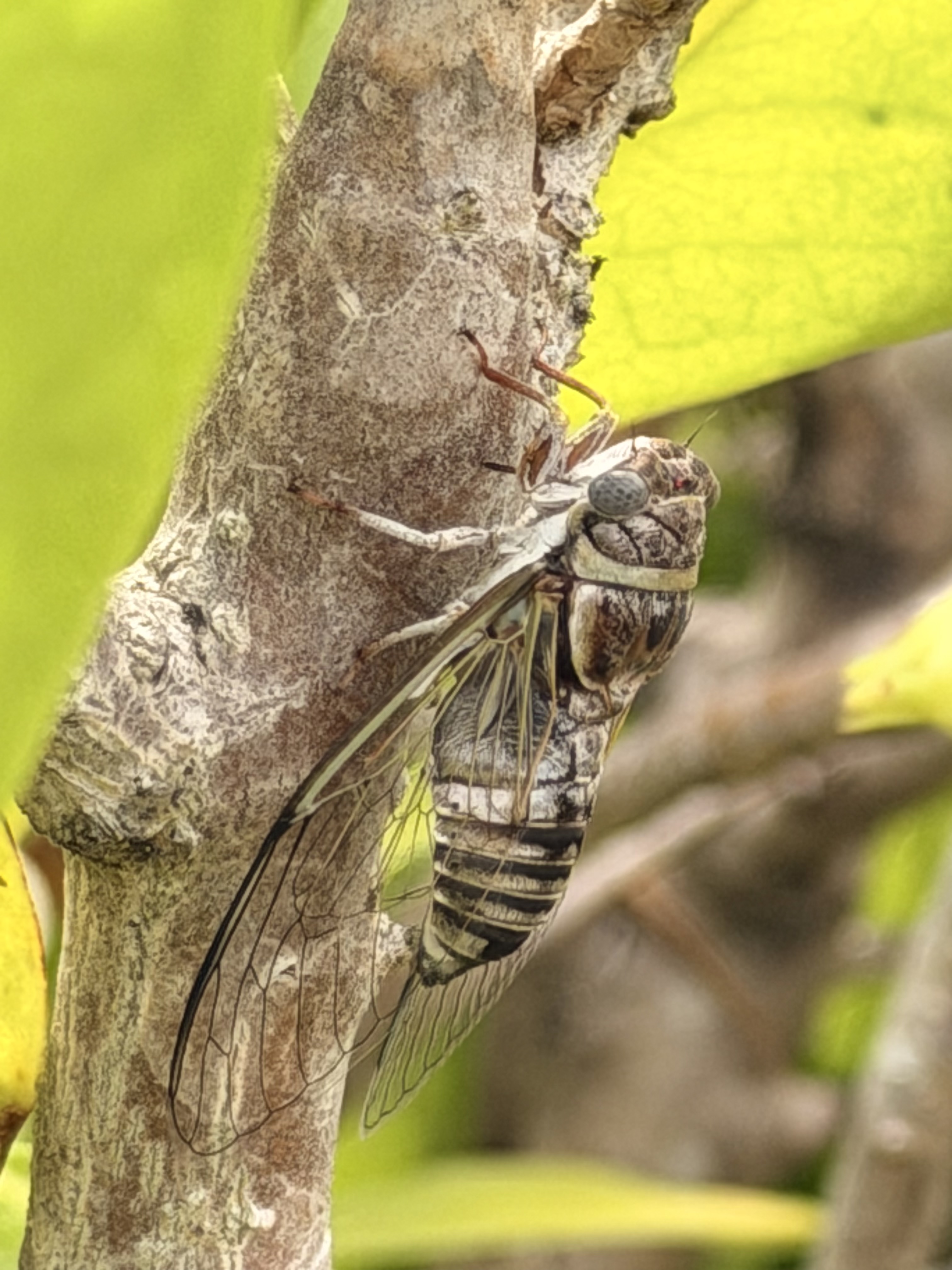
The Buzzing Soundtrack of South Florida’s Beaches
Walking through the dune scrub at the entrance to the beach, camera in hand, you don’t expect the loudest thing on the trail to be an insect — but that’s exactly what happens in Boca Raton every summer. Right where the sand meets the sea grape and mangrove edging the beach entrance, that unmistakable buzzing leads to its source: a cicada, wings spread and perfectly camouflaged against the bark. It’s a small moment, but it says a lot about the wild life tucked right at the edge of our coastline.
If you’ve ever walked through the dune vegetation at the entrance to a Boca Raton beach and heard a wall of buzzing static rising and falling in the heat, you’ve met one of Florida’s most underrated summer residents: the cicada. Here’s a closer look at these fascinating, if a little startling, insects.
A Few Fun Facts About South Florida Cicadas
Living underground for years. Before they ever make a sound, cicadas spend anywhere from 2 to 5+ years as nymphs underground, feeding on sap from tree and shrub roots — including the tough coastal plants that anchor Florida’s dunes.
Florida’s cicadas show up every year. Unlike the famous 13- and 17-year periodical cicadas of the northeastern U.S., Florida is home to several “annual” species that emerge every summer, which is why that buzzing chorus is a near-constant soundtrack from late spring through summer.
That sound is a mating call — and it’s loud. Male cicadas produce sound using ribbed membranes called tymbals on their abdomen, and some species can reach nearly 100 decibels, rivaling a lawnmower.
Short adult life, big purpose. After years underground, an adult cicada typically lives only 2 to 4 weeks above ground — just long enough to mate and lay eggs before the cycle starts again.
Those “ghosts” on tree bark are real. The pale, brittle exoskeletons often spotted clinging to trunks and branches near the beach are shed cicada skins (exuviae), left behind when the nymph molts into its winged adult form — exactly the kind of texture visible in the close-up above.
Harmless to people. Despite their size and noise, cicadas don’t bite or sting — they’re just loud, clumsy fliers looking for a mate.
An important food source. Cicadas feed shorebirds, lizards, and other coastal wildlife, making them a quiet but essential part of the beach ecosystem.
Next time you’re heading down to the sand in Boca Raton and hear that rising hum from the sea grape and dune scrub, you’ll know exactly who’s making all the noise.